


The Power of Play-Based Learning in Preschools: Unlocking Early Childhood Potential
- Soaring Eagles Academy

- 6 days ago
- 4 min read
When I think about the best way for young children to learn, I always come back to one simple truth: play is powerful. Play-based learning in preschools is not just fun - it’s a vital part of how children grow, explore, and understand the world around them. This approach nurtures creativity, social skills, and cognitive development in ways that traditional methods often miss.
In this post, I want to share why play-based learning benefits young children so much. I’ll explain what it looks like in practice and how it supports early childhood development. If you’re looking for a warm, inviting way to help your little ones thrive, this is the path to consider.
Why Play-Based Learning Benefits Young Children
Play-based learning benefits children by making education feel natural and exciting. When kids play, they are not just passing time - they are learning important skills that will serve them for life. Here’s why this approach works so well:
Engagement: Children are naturally curious. Play captures their attention and keeps them interested.
Creativity: Play encourages imagination and problem-solving.
Social Skills: Playing with others teaches sharing, cooperation, and communication.
Emotional Growth: Children learn to express feelings and manage emotions through play.
Physical Development: Many play activities build fine and gross motor skills.
For example, when a child builds a tower with blocks, they are practicing hand-eye coordination, spatial awareness, and planning. When they pretend to be a chef or a doctor, they explore social roles and language skills. These moments are rich with learning, even if they don’t look like traditional lessons.
Play-based learning benefits children by making education joyful and meaningful. It respects their natural pace and interests, which helps build confidence and a love of learning.

What is play-based curriculum in early childhood?
A play-based curriculum in early childhood is a teaching approach that uses play as the main way children learn. Instead of sitting at desks and listening to lectures, children explore materials, interact with peers, and engage in hands-on activities. This method supports all areas of development - cognitive, social, emotional, and physical.
In a play-based curriculum, teachers act as guides rather than lecturers. They observe children’s interests and provide materials and experiences that encourage exploration. For example, if children show interest in animals, the teacher might set up a pretend zoo or provide books and puzzles about wildlife.
This approach is flexible and child-centered. It allows children to make choices and follow their curiosity. It also integrates learning goals naturally, so children develop skills without feeling pressured.
If you want to learn more about how this works in practice, check out this play based curriculum preschool program that focuses on nurturing young learners through play.
How Play-Based Learning Supports Brain Development
The early years are a critical time for brain development. Play-based learning supports this by creating rich experiences that stimulate neural connections. When children play, they use multiple senses and skills at once, which strengthens their brains.
For example, sensory play with sand or water helps children understand textures and cause and effect. Role-playing games develop language and social understanding. Physical play builds coordination and balance.
Research shows that children who engage in play-based learning develop better memory, attention, and problem-solving skills. They also tend to be more adaptable and resilient.
In my experience, children who learn through play are more confident and eager to try new things. They develop a strong foundation that prepares them for school and life.
Practical Ways to Encourage Play-Based Learning at Home
You don’t need a fancy setup to support play-based learning. Here are some simple ideas you can try at home:
Create a Play Space: Dedicate a corner with toys, books, and art supplies.
Follow Your Child’s Lead: Let them choose what to play and join in their games.
Use Everyday Items: Kitchen utensils, boxes, and fabric scraps can become toys.
Encourage Outdoor Play: Nature offers endless opportunities for exploration.
Ask Open-Ended Questions: “What are you building?” or “How does that work?” sparks thinking.
Limit Screen Time: Encourage hands-on activities instead of passive watching.
These small steps make a big difference. They show children that learning is everywhere and that their ideas matter.

Creating a Nurturing Environment for Early Learners
A nurturing environment is key to successful play-based learning. Children need to feel safe, supported, and valued to explore freely. This means:
Warm, Responsive Adults: Teachers and caregivers who listen and encourage.
Rich Materials: A variety of toys, books, and natural items to spark curiosity.
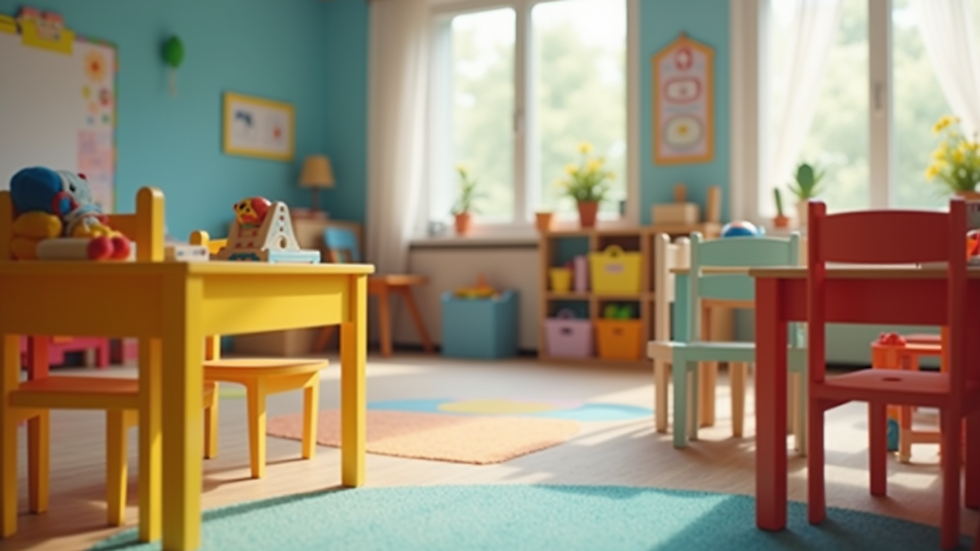
Flexible Spaces: Areas for quiet play, group activities, and physical movement.
Routine with Freedom: A predictable schedule that still allows choice and creativity.
At Soaring Eagles Academy, we focus on creating this kind of environment every day. We believe that when children feel cared for, they learn best. Our goal is to make quality early education accessible to all families in Florida, providing a place where children can grow through play.
Embracing Play-Based Learning for Lifelong Success
Play-based learning is more than just a preschool trend. It’s a proven way to help children develop the skills they need for school and beyond. By encouraging curiosity, creativity, and social skills, play sets the stage for lifelong learning.
If you want your child to thrive in a supportive, joyful environment, consider the power of play. Whether at home or in a quality preschool, play-based learning benefits children in countless ways.
Remember, learning through play is natural, effective, and fun. It’s the foundation for confident, happy learners ready to take on the world.
Thank you for joining me in exploring the power of play-based learning. I hope you feel inspired to embrace this approach and watch your little ones soar!


Comments