


Why Preschool Social Skills Development Matters

Starting preschool is a big step for young children. It is a time filled with new experiences, new friends, and new challenges. One of the most important areas of growth during this time is social skills development. These skills help children learn how to interact with others, manage their feelings, and build relationships. In this post, I want to share why preschool social skills development matters so much and how it shapes a child’s future.
The Importance of Preschool Social Skills Development
Preschool is more than just learning letters and numbers. It is a place where children learn how to be part of a community. Social skills development in preschool helps children:
Understand their own emotions and the emotions of others.
Communicate effectively with peers and adults.
Solve conflicts in a peaceful way.
Build friendships that boost confidence and happiness.
When children develop these skills early, they feel more secure and ready to face new challenges. They learn to cooperate, share, and show empathy. These are the building blocks for success in school and life.
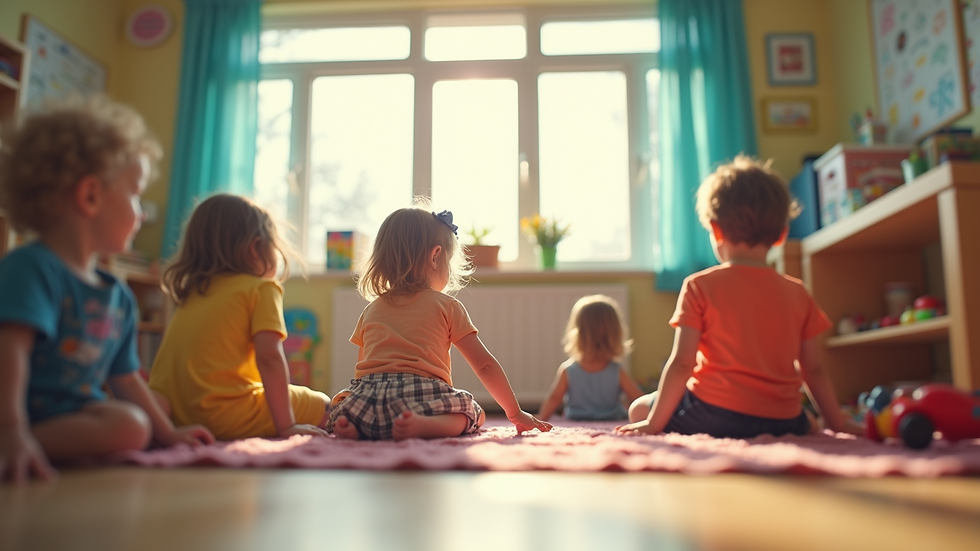
How Preschool Social Skills Development Looks in Action
You might wonder what preschool social skills development looks like day-to-day. Here are some examples:
Sharing toys: When children take turns with toys, they practice patience and fairness.
Listening to others: During storytime or group activities, children learn to listen and respect others’ ideas.
Expressing feelings: Teachers encourage children to use words to say how they feel instead of acting out.
Helping friends: Kids learn to offer help and comfort to classmates who are upset or need assistance.
These moments might seem small, but they are powerful. They teach children how to be kind, responsible, and thoughtful.
What is the socio-emotional development of preschoolers?
Socio-emotional development is about how children understand themselves and relate to others. For preschoolers, this means:
Recognizing their own feelings like happiness, anger, or sadness.
Understanding that others have feelings too.
Learning to control impulses and behave in socially acceptable ways.
Developing confidence to try new things and solve problems.
This development happens through play, guided activities, and everyday interactions. When children feel safe and supported, they explore their emotions and social world with curiosity and joy.

Supporting Social Emotional Growth at Home and School
Both home and school play a vital role in nurturing social emotional growth. Here are some practical ways to support this development:
Model positive behavior: Show kindness, patience, and respect in your daily interactions.
Encourage talking about feelings: Ask your child how they feel and help them name their emotions.
Create routines: Predictable routines help children feel secure and understand expectations.
Promote cooperative play: Arrange playdates or group activities where children can practice sharing and teamwork.
Use books and stories: Reading stories about emotions and friendships can open up conversations.
At preschool, teachers create a warm and welcoming environment where children feel valued. They use activities that promote social skills and emotional understanding. This partnership between home and school strengthens a child’s growth.
The Long-Term Benefits of Early Social Skills
Investing in preschool social skills development has lasting effects. Children who develop strong social and emotional skills tend to:
Perform better academically.
Have healthier relationships with peers and adults.
Show greater resilience in facing challenges.
Experience less stress and anxiety.
These benefits extend beyond childhood. Social skills are essential for success in work, family life, and community involvement. Helping children build these skills early sets them on a path to a happy and fulfilling life.
If you want to learn more about social emotional development in preschool, there are many resources available to guide you.
Creating a Nurturing Environment for Growth
At Soaring Eagles Academy, we believe every child deserves a nurturing environment that supports their social and emotional growth. Our programs focus on creating safe spaces where children can explore, learn, and grow together. We understand the importance of early childhood education and strive to make quality programs accessible to all families.
By focusing on social skills development, we help children build confidence, kindness, and cooperation. These qualities help them thrive in preschool and beyond.
Preschool social skills development is a vital part of early childhood. It shapes how children understand themselves and connect with others. By supporting this growth, we give children the tools they need to succeed in school and life. Let’s work together to make these early years full of joy, learning, and meaningful connections.


Comments